wmn.empowerment@gmail.com 091-3072030 Chak Shahzad, Islamabad
WEO logoWomen Empowerment Organization
Home / Stories

Stories of change

Real people, real change: stories from the communities WEO works with.

Education

Overcoming adversity through education

Shazia Bibi, 14 · Harimera ALP Center, District Mansehra

A 14-year-old Afghan refugee who refused to let poverty and ridicule keep her out of school.

Shazia Bibi, a 14-year-old Afghan refugee in Pakistan, overcomes poverty, restrictions, and social marginalization to pursue her dreams. The Women Empowerment Organization (WEO) supports her success, highlighting the transformative power of education and the urgent need to address basic rights.

Shazia Bibi's family is burdened by poverty and health issues. Her father, M Rasool, is unemployed due to a debilitating accident, and her mother suffers from gall bladder stones, leaving them without access to proper medical care. Shazia, along with her five sisters and two brothers, works tirelessly to support their family. Despite their circumstances, the family receives support from a compassionate community leader, Syed Shah, who provides them with food, clothing, and shelter.

Shazia's determination and intellect drive her to pursue education and escape poverty. Despite financial constraints, she worked as a maid and honed her skills in stitching and embroidery, contributing to her family's survival and fostering her future aspirations.

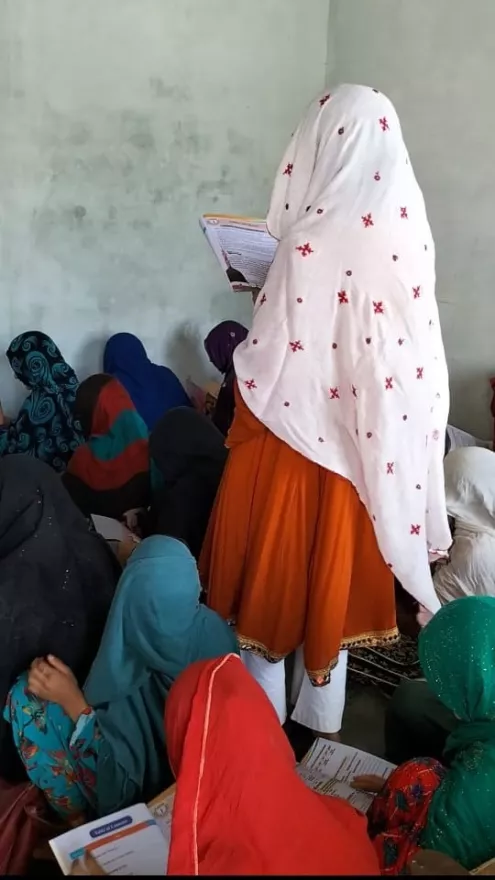
When the Women Empowerment Organization (WEO) reached out to the community, Shazia was identified as a deserving candidate for support. The WEO team successfully mobilized Shazia's family and community members, encouraging them to enroll in the ALP (Accelerated Learning Program) centers. These centers, staffed by skilled and experienced teachers, provide free education to Afghan and Pakistani students, fostering cross-cultural understanding and creating a platform for success.

Shazia's story highlights Afghan refugees' struggles in Pakistan, including poverty, limited education, and social exclusion. Financial constraints and societal restrictions perpetuate illiteracy and marginalization. Despite ridicule and bullying, Shazia remains confident and grateful for school assistance from WEO and CARE International – Pakistan Program.
Education · Hygiene

Behaviour change, one bar of soap at a time

Chichana ALP Center · Chichana, District Kohat

How a small hygiene gesture at a girls' learning centre became a habit for 40 students.

Accelerated Learning Centers (ALCs) are educational institutions established by Women Empowerment Organization (WEO) in Kohat, Bannu, Mansehra with financial assistance of CARE International, Pakistan program. ALP centers offer condensed or intensive programs to help students quickly gain academic knowledge and skills. These centers are designed to provide focused and efficient learning experiences, with the ultimate goal of preparing students to continue their education successfully.

In Chichana, district Kohat an ALP center for girls has also been established. A total of 40 girls are enrolled in this center. 2 female teachers are engaged at this center for teaching purpose.

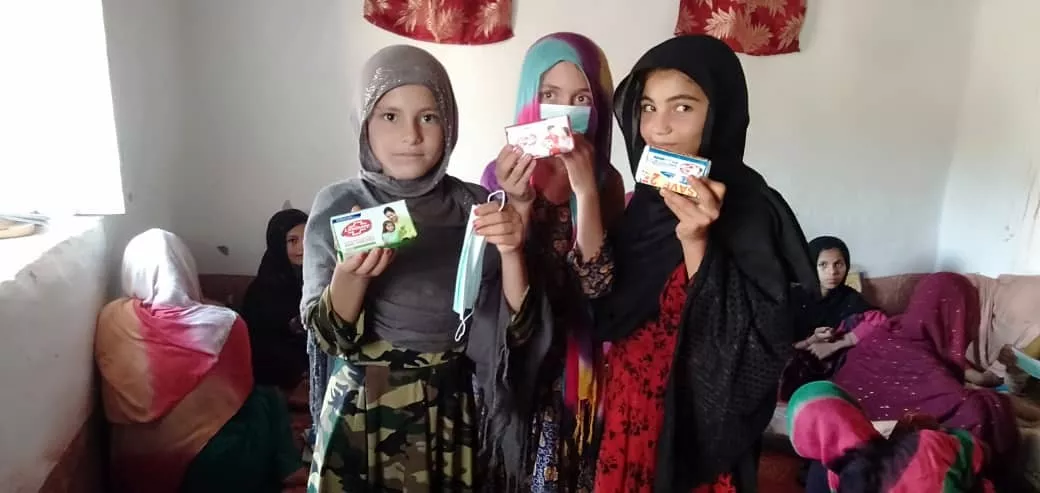
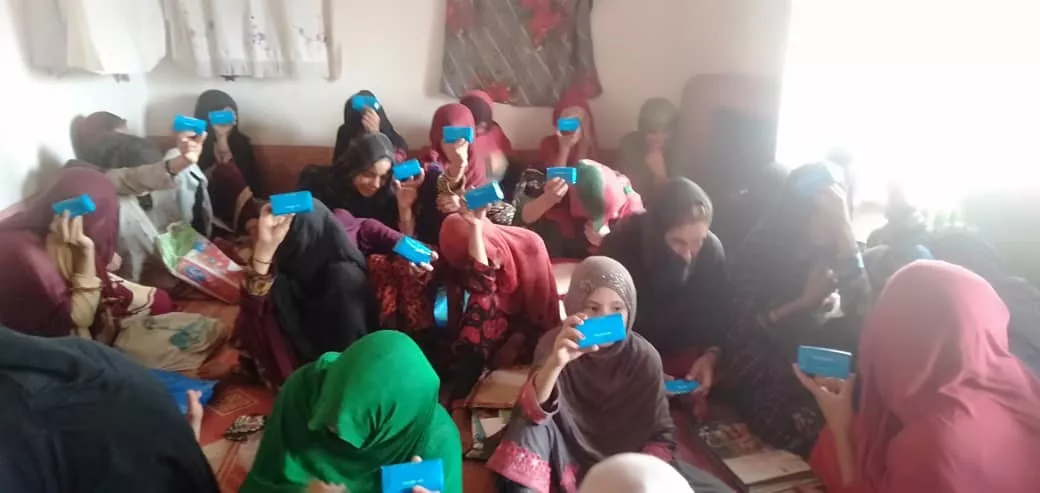
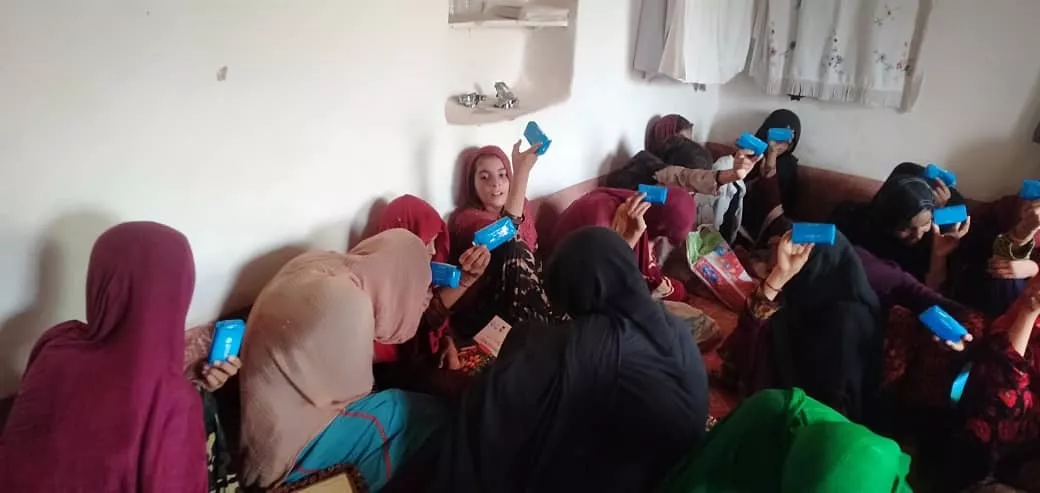
Rehmat Wali, being an Afghan Refugees School teacher and owner of the house that ALP center has been established in, initially placed a single soap outside the washroom, as a small gesture. The idea behind this was; to encourage the students to adopt good hygiene practices and make them aware of the importance of using soap for cleanliness. Observing the excitement of the students using soap, ALP center Chichana, owner distributed soaps among the entire students. Soaps were given as a token gift, which they can use for personal hygiene purposes.

The positive response from the students motivated the house owner Rehmat Wali (ALP center established in) decided to provide more soap and distribute it among the students.

Students reacted positively and with enthusiasm when they were presented with the idea of receiving soap. Perhaps they were enthusiastic about the distribution and appreciated the good motion.

Replying to a question, house owner said, "he recognized the importance of good hygiene practices and wanted to encourage the students to adopt them”.

He further said, “this initiative aimed at promoting and encouraging good hygiene practices among the students, which is crucial for maintaining good health and preventing the spread of different diseases”. He thanked Women Empowerment Organization for establishing ALP Center in this area and hoped that these girls will learn quality education to become useful member of the society.

Expressing joy and happiness, few of the ALP center students said. “It's wonderful that we are using soap to wash our hands and feeling secure because of it. It saves us from getting sick and help us to attend our classes regularly”.

Livelihoods

A seed of hope

Dilshada Bibi, 35 · North Waziristan

A three-day kitchen gardening course turned a domestic helper into a small entrepreneur.

Dilshada Bibi, who was 35 lived a modest life with her husband and three children in the Pakistani tribal region of North Waziristan. She worked as a domestic helper making PKR 4, 000 per month until her life turned around. All through her best efforts, the costs of household expenses remained a challenge to meet and her family’s financial situation had her feeling disheartened most of the time.

A Ray of Opportunity

It was when she heard about a 3-day Kitchen Gardening training program being held at her community by the Women Empowerment Organisation (WEO). The training was meant to teach the women how to grow vegetables in small places so as to empower them, a move that will make them self-reliant and financially independent. Dilshada was excited to learn something new and beneficial, so she enthusiastically enrolled in the program.

Learning and Applying Skills

Dilshada gained valuable, hands-on skills during the training that empowered her to:

  • Preparing nutrient-rich soil for planting.
  • Using household waste as organic compost.
  • Planting and nurturing seasonal vegetables.
  • Efficiently utilizing small spaces for maximum yield.

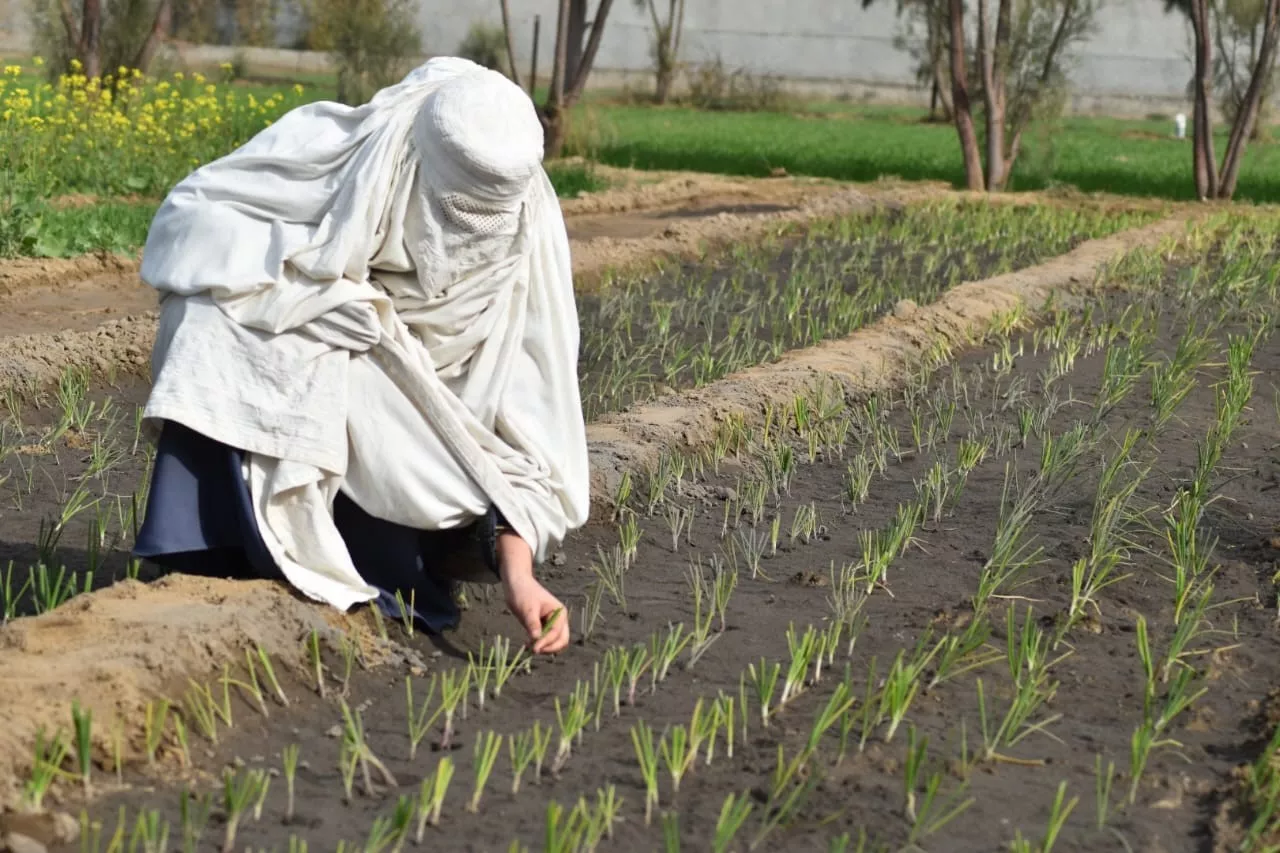
Through this hands-on session and expert guidance, she gained the confidence to begin her kitchen garden in her backyard. She relied on affordable, readily available resources to keep her investment minimal.

Reaping the Benefits

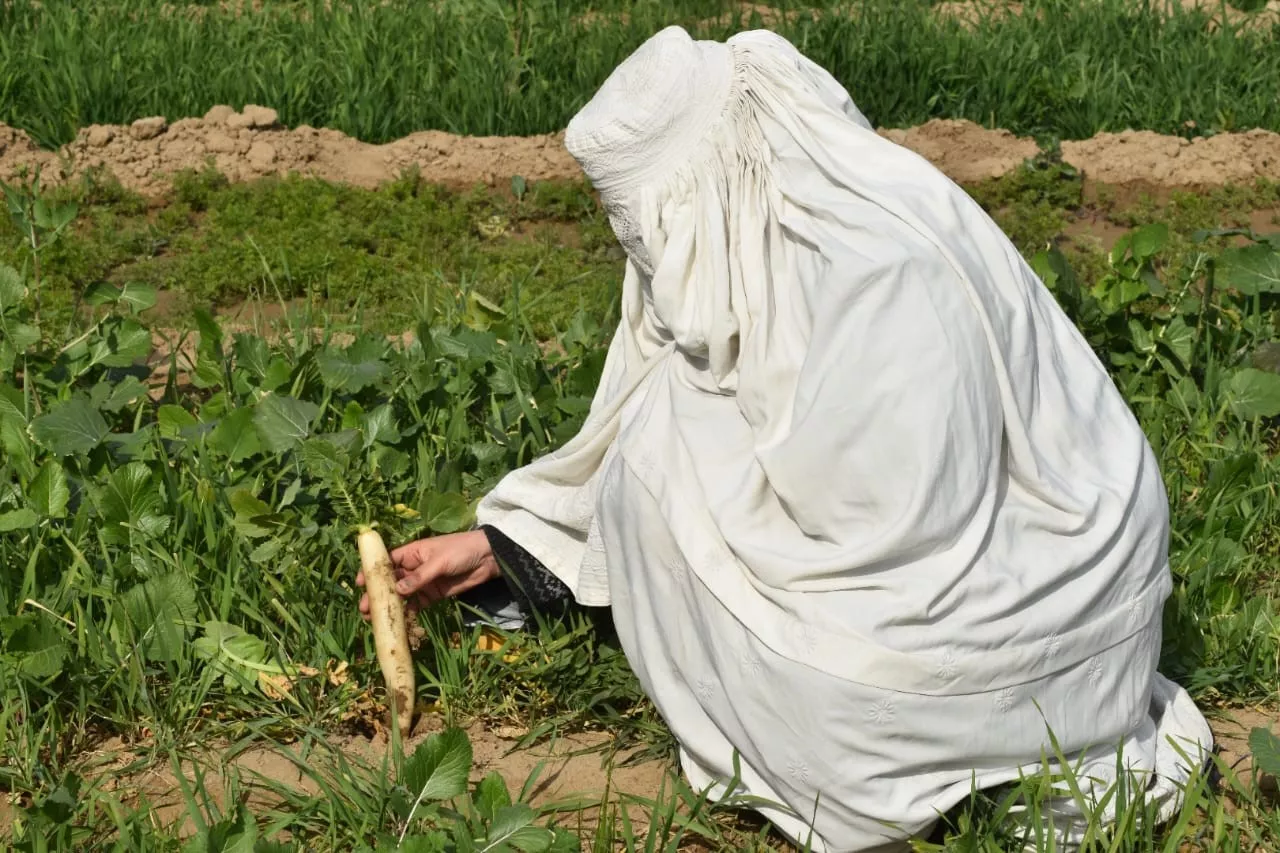
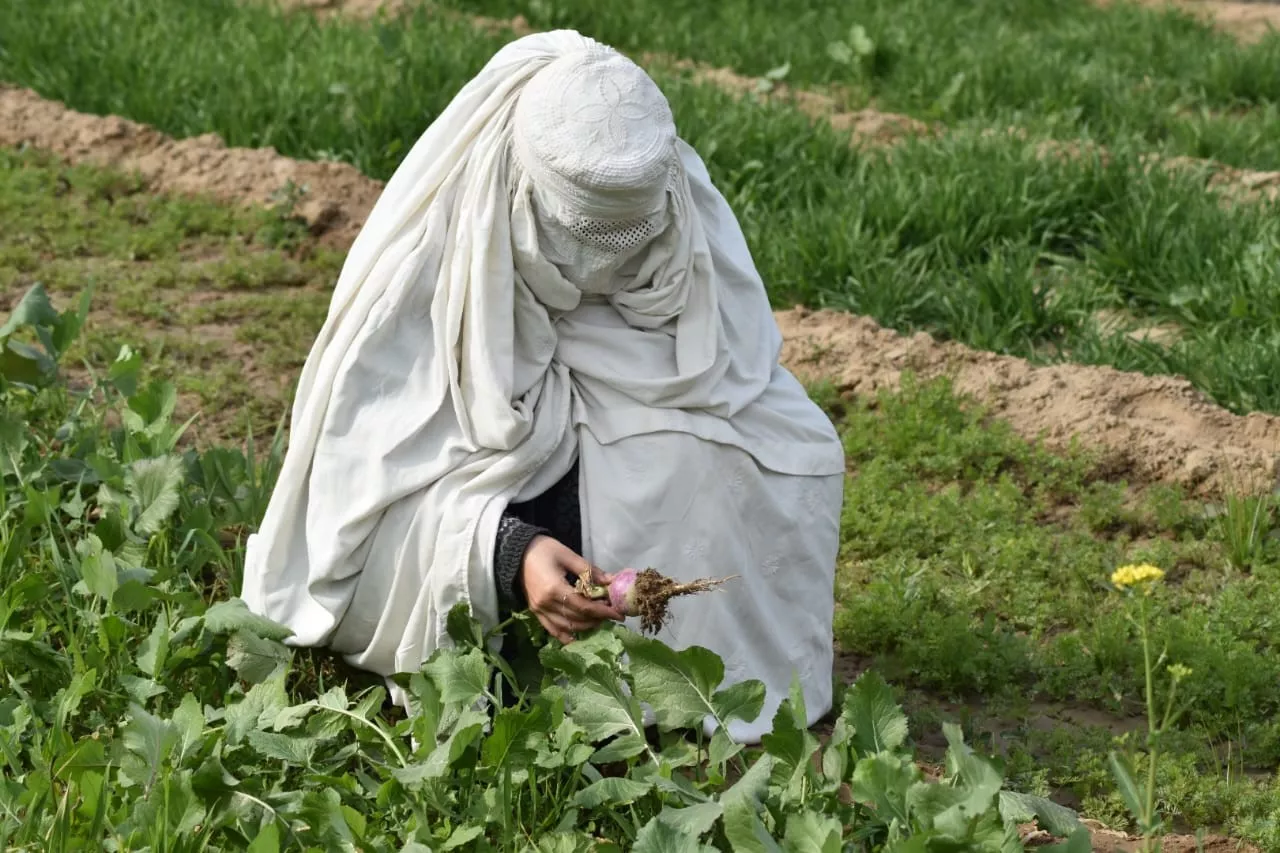
Within few months, Dilshada’s strong dedication had transformed her kitchen garden into a productive place. She devoted herself to cultivating an abundance of seasonal vegetables, reaping the rewards of her efforts and achieving significant savings:

  • Household Savings: Growing vegetables at home helped Dilshada to cut down her family’s monthly grocery expenses by PKR 5,000.
  • Additional Income: Over the time, her hard work paid off as she also started selling surplus vegetables to neighbors and in the local market and was making an additional PKR 8,000 per month.

Dilshada’s earnings greatly supported her family by significantly contributing to the family’s income, easing the financial burden, and improving the quality of life. Her husband, a daily wage earner, was truly proud and grateful for her achievements.

Future Aspirations

Dilshada was encouraged by the success of her cultivated land and started saving money to invest in off season vegetable production. She intends to keep cultivating the crops round the year by purchasing straw, polythene sheets, organic fertilizers and seeds. Her dream is to get commercial vegetable farming as a profession in which her passion could still be transformed into a source of livelihood.

Inspiring Others

Many women in her community have been inspired by Dilshada’s story. Her neighbors visit her garden to learn kitchen gardening techniques. She motivates other women to utilize any available space and take part in similar training programs as small steps can be the precursor for big change.

A Message of Empowerment

The story of Dilshada Bibi demonstrates that how skill development and determination can transform a domestic helper, into a self-reliant entrepreneur goes a long way to prove the point. The WEO's Kitchen Gardening training is an example of how opportunities like this empower women, build families and strengthen a community.

Today, ‘Dilshada’ is a ray of hope to her community, proving that anyone with the right equipment, time and will power can sow a seed the future.

Partner with WEO

We work with UN agencies, international NGOs, governments and local communities. Get in touch to discuss a partnership, programme or field visit.